
Ricardo Villarreal

Think, Therefore Think Again

  • LinkedIn
  • Twitter
  • Vimeo
  • YouTube

  • Home
  • About Me
  • My Films
  • My Band
  • More
  • Contact

Are Humans Artificial by Nature?

September 25, 2017 by Ricardo Villarreal

Artificial NatrualNumerous people believe that many of the world’s problems today exist because we have turned our backs on what is “natural” and because we are out of touch with nature. They suggest going back to living in a more “natural” environment.

Others believe that trying to go back to what is “natural” limits our scientific progress and, because “natural” behaviors employ old traditional conventions, it could lead to suppressing modern social values of freedom and inclusion.

As an example, who hasn’t heard those against same-sex marriage refer to homosexuality as something unnatural? We sure don’t want to go back to those more “natural” periods of time where archaic laws discriminated against groups in our society, defended slavery, or limited women’s rights.

If we take away the scientific advancements on medicine and technology, perhaps our life could be more “natural,” but our life expectancy would probably be half of what it is today and our way of living rudimentary.

John Stuart Mill said that every good end that improves the lives of humans comes from altering the course of nature, not following it.

Spanish philosopher Fernando Savater also adds, “we could often mention that something ‘artificial’ (human made) is better than something ‘natural’ (absent from human touch) and that its functionality exists precisely to protect us from ‘nature’ itself.”

Diseases like cancer are “natural” while medical solutions for it, like chemotherapy, are “artificial.” Extreme cold weathers are “natural,” but living in a house with a heating system to protect us from the cold is “artificial.”

Pet lovers should also know that their cute puppy Fido is not “natural” at all, but an “artificial” human invention because dogs, which evolved from a shared common ancestor with wolves, are the result of thousands of years of selective breeding.

Along the same line, modern fruits and vegetables have been genetically modified (and improved) through many years of artificial selection. If you were to see their “natural” appearance, you wouldn’t want to eat the ancestors of today’s produce like bananas, sweet corn, watermelon, carrots, and peaches, just to name a few.

“Nature” refers to things as they are, but not as they should be. Furthermore, “nature” explains the elements of a natural world as it exists without human beings or civilization. In other words, anything absent from human touch.

Nevertheless, it’s important to note that “artificial” human-made creations like spaceships, clothing, computers, prescription glasses, and even agricultural fields, are all built from elements found in nature.

As our specie evolved through the years, it became “natural” to create human-made “artificial” concepts like laws to protect us and establish order, language to communicate, and society to live in cooperation.

When it comes to our “human nature,” culture plays an important role in influencing the way we think, feel, and act.

Among other historical periods, the Age of Enlightenment saw philosophers debating “human nature” from a moral standpoint. For Jean-Jacques Rousseau, men are good by nature, but corrupted by society. His contemporary Immanuel Kant, in contrast, argued that humans need principles guided by society in order to do good. Without them, men can be wild and do things that contravene society.

Following the aforesaid counterpoint, a philosophical observation by Savater indicates that human influence is not only reflected in the creation of something, but also in its decision to not influence something.

For example, are the breathtaking landscapes of Yosemite National Park “natural” because they have remained untouched for thousands of years, or are they “artificial” because men have deliberately decided not to develop the area?

If the “artificial” process of reforestation is to rebuild natural habitats and to restock forests in needed regions, will the outcome of a new “natural” green environment be an “artificial” triumph?

While it is true that artificial systems have allowed humanity to live better, it has also brought significant dangers that are undermining the future of humankind.

Weapons of destruction used in wars, plastic & electronic waste polluting our oceans, uncontrolled industries contaminating our air, and financial institutions driving people into poverty, are all human-made calamities.

We need to understand this: nature has no obligations towards the human race. It will continue to act and respond accordingly to how it is treated. And because nature is indifferent to humans, we need to learn from it, from its natural laws, from its behaviors and disasters to better understand how we act upon it.

Through thousands of years we have altered nature for our own benefit, and these actions (good and bad) are now irreversible.

We don’t have the time to let nature recover on its own. What we have now going forward is the obligation to save nature and the permanence of humanity with responsible human-made ideas and solutions.

If we destroy today what we need tomorrow, that will be our end. A self-inflicted defeat.
 

Filed Under: Philosophy Tagged With: Artificial, future of humanity, Human Nature, humanity, Natural, philosophy, world solutions

México y un Voto Blanco Válido

September 22, 2017 by Ricardo Villarreal

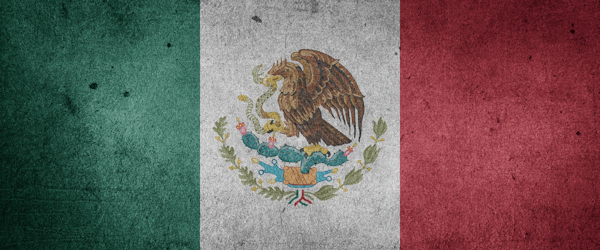
Bandera Mexico¿Qué pasaría en México si en las próximas elecciones habría 0% de abstencionismo, y además se incorporaría el voto blanco como opción electoral?
Pero no me refiero al voto blanco como voto nulo, sino como un voto válido que cuente, y que, de lograr mayoría porcentual, tuviera un verdadero peso de rechazo directo al gobierno y a los actores políticos con la finalidad de sacarlos a todos de una buena vez.

Ante los recientes y devastadores sismos en México, me vino a la mente esta idea que cubre como premisa José Saramago en su novela “Ensayo sobre la Lucidez.” Y es que cuando la ficción nos presenta escenarios distópicos que no se ven tan distantes de la realidad, no hay que descartar posibilidades.

Cuando la mejor manera de ayudar es no estorbar, la nada resulta ser el mejor reemplazo al actual carrusel de políticos nauseabundos, obsesionados por el poder y entregados a la corrupción.

Los recientes terremotos en el país han sido la prueba de fuego que han puesto al descubierto la falsa retórica de muchos políticos que, más que estar comprometidos con el pueblo, se encuentran desaparecidos, inútiles, sin saber cómo actuar ni qué decir, y preocupados más por sus apariencias y continuidad en el viciado sistema que les permite servirse de él.

Por otro lado, el mismo evento nos permitió a los mexicanos darnos cuenta de que en los momentos más adversos, no necesitamos a ninguna figura política líder para salir adelante unidos si lo creemos y lo queremos.

La ciudadanía respondió inmediatamente para tomar la iniciativa de ayudar con labores de rescate, de proveer a los más necesitados, de ofrecer su casa. Ojalá que esta actitud tan generosa y humanitaria siga contagiando a más mexicanos y no se apague. Su notoriedad incluso fue reconocida internacionalmente.

Como también reconocida internacionalmente fue la vergüenza de los representantes de los principales partidos políticos haciéndose bolas ante la encrucijada de donar el dinero destinado a sus campañas electorales para beneficio de los damnificados. No se dan cuenta que el pueblo no les está preguntando su opinión, se les está exigiendo que renuncien a esos obscenos gastos de campaña (aunque sea un porcentaje) para beneficio de la gente.

Una democracia real debe tener la opción no solo de elegir candidatos, sino también de rechazarlos. A todos. No estaría nada mal que en México se empezara a contemplar el voto blanco.

Quizás entonces estalle finalmente la burbuja que tiene a muchos políticos viviendo en un mundo totalmente incompatible a la realidad mexicana.


Filed Under: Philosophy, Politics Tagged With: elecciones 2018, elecciones México, Ensayo sobre la lucidez, filosofía, José Saramago, literatura, México, política, terremotos, voto blanco

Por Todas Ellas

September 12, 2017 by Ricardo Villarreal

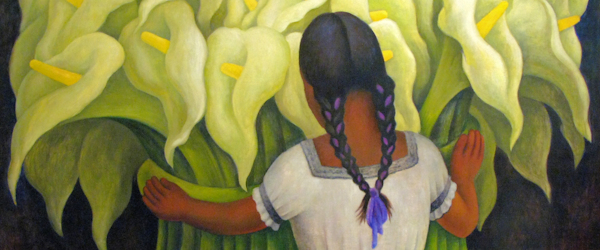
Diego Rivera - The Flower VendorA través de la historia y del vergonzoso monopolio masculino del que se ha visto colmada, el hombre ha sido el cáncer más dañino para la mujer, el principal opresor de su libertad, el gran estafador de su inteligencia, el pregonero de su desprestigio, el destructor de su placer, el cobarde obsesionado en censurar su voz, su activismo, su pensamiento, y su lucha social por la justicia y la igualdad.
“La hipocresía masculina está en castigar en la mujer lo que aplauden del hombre,” dice Eduardo Galeano en uno de los relatos de su libro “Mujeres.”

En este magistral repertorio, Galeano nos presenta 167 historias breves, profundas e intensas, y llenas de respeto, dignidad, y admiración por la mujer. Cada historia las representa a todas ellas, inspiradoras mujeres que enfrentaron incalculables adversidades, y que nunca se rindieron por ver cumplir sus sueños.

Algunas de estas mujeres que transformaron a la humanidad y que Galeano humaniza magistralmente en sus relatos son: las hermanas Brontë, quienes tuvieron que esconder su género para poder escribir; Harriet Tubman, quien liberó a cientos de esclavos en EE.UU.; Nellie Bly por hacer periodismo de investigación en territorio de hombres; Marie Curie y sus dos premios Nobel en química y física; Susan Anthony, por su incansable activismo por el sufragio femenino; y Sor Juana Inés e Hipatia por pensadoras y preguntonas.

Por otro lado, Galeano logra también que sus palabras aterricen un mensaje preciso de denuncia patriarcal. La lectura nos obliga a digerir el amargo sufrimiento y las injusticias por las que muchas mujeres han pasado a lo largo de la historia, a veces incluso sacrificando sus propias vidas, en defensa de su dignidad y su libertad.

Entre aquellas historias de mujeres que murieron luchando por sus ideales, están las de Olympia de Gouges, activista por los derechos de la mujer durante la Revolución Francesa, la antropóloga Myrna Mack quien fue asesinada por criticar los abusos del gobierno de Guatemala hacia los indígenas, y la revolucionaria pacifista Rosa Luxemburgo, quien “quería un mundo donde la justicia no fuera sacrificada en nombre de la libertad, ni la libertad fuera sacrificada en nombre de la justicia.”

También dolorosos son los relatos de mujeres sedientas de justicia, pero que terminaron siendo víctimas de la brutalidad misógina y murieron en total anonimato.

Vivimos en tiempos muy contradictorios, de cambios políticos y sociales muy inestables. De repente siento que mucho ha mejorado en el tema de equidad de género, y a veces me angustio porque percibo que damos marcha atrás.

Falta mucho por hacer, y el primer paso que debe dar el hombre que no ha hecho nada para enmendar el rumbo hacia la igualdad, es dejar de ser obstáculo y convertirse en defensor de los derechos de la mujer, convertirse en un feminista más.


* Imagen: foto parcial de la pintura “Vendedora de Flores” de Diego Rivera.

Filed Under: Arts & Culture, Books, Libros, Literatura Tagged With: Eduardo Galeano, equidad de género, Feminismo, igualdad, justicia, libros, literatura, mujeres

Overpopulation: The Biggest Threat

August 20, 2017 by Ricardo Villarreal

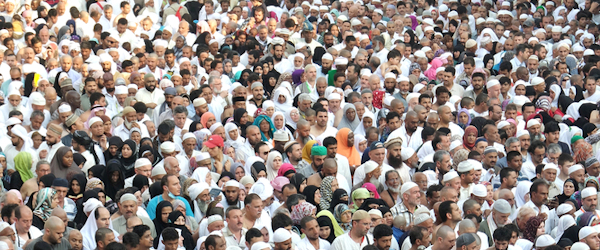
OverpopulationWhy is overpopulation the biggest threat humanity faces today?
The world has 7.5 billion people and estimates show population growth will reach 11.2 billion by the year 2100. The most alarming issue accompanying these numbers is the fact that our planet’s resources are simply not enough to sustain the entire population.

In her eye-opening book “Move Upstream, A Call to Solve Overpopulation,” Karen Shragg delivers a powerful message on the gravity of overpopulation, its devastating effects, and the actions needed to solve this critical issue.

While it is true there is a lot of activism around the world on many important topics, unfortunately most of these efforts are conducted downstream focusing on the symptoms, rather than the root causes of the problems.

Shragg stresses the urgency to shift focus and move upstream “to get humans to live within our planet’s ecological limits.”

One of the most revealing pieces of information in the book comes from the shocking discrepancy between the number of people and the Earth’s resources we use for food, water, shelter, and energy.

According to Global Footprint Network, a sustainable population for our planet is between 1.5 and 3 billion people. This means the world population is exceeding the Earth’s capacity by at least 4.5 billion people!

In different words, humanity today consumes in one year the amount of resources that it takes our planet 1.5 years to regenerate! Reducing consumption or trying to increase the planet’s resources is no longer enough; sustainable balance can only be achieved with a reduction in human numbers.

More specifically to the United States, the country’s resources can adequately sustain a population of 150 million people. And yet, we are 320 million.

Many people don’t think a country like the United States is overpopulated because there is plenty of empty land. But as Shragg explains, open space is not the issue; the United States has suffered from shortages of water and other resources in recent years.

While climate change is a big concern around the world, and many efforts are made to limit our consumption and be more environmentally conscious, the truth is climate change is a symptom of overpopulation.

The scientific consensus on climate change is conclusive the warming of the planet is related to human activity, and there is an insurmountable amount of activism to fight global warming.

But as Karen Shragg reiterates, the problem with this activism lies in its failure to showcase the undeniable link between climate change and overpopulation.

If we think that just by driving electric vehicles, recycling, switching to solar energy, and becoming vegetarians, we are going to overturn climate change, we are in total denial. If anything, we are just helping slow down the imminent collapse of our natural resources.

Population reduction is an upstream solution that urgently needs to be incorporated by influencing activists as part of their global campaigns, and needs to be a higher priority than the aforementioned downstream efforts.

What are other solutions to fight overpopulation?

Feminism

We all need to get on-board the feminist ship as women’s empowerment is key in the reduction of family sizes. Additionally, we need to bring birth control out of obscurity and make it more easily accessible in the most adverse regions in the world.

Religions

Religions can be part of the solution, but they need a serious update that incorporates true openness and reason. They must act smart and accept the science-based evidence on climate change and our resources.

Christianity, the world’s top religion, has over 2 billion followers who base their spiritual teachings on an ancient book written back when our planet was significantly less populated. But today, the “be fruitful and multiply” edict (Genesis 1:28) is not only obsolete, but dangerous to keep promoting as our planet’s resources continue to diminish.

Religions also need to acknowledge birth control as an effective weapon against the threat of overpopulation. If they don’t get behind this, religions will be part of the problem.

World Leaders

Politicians don’t like to publicly speak about overpopulation because, as the author accurately points out, it puts them at a risky political spotlight, as it brings out two highly debatable topics: immigration and abortion.

Perhaps we need to stop seeing immigration as a political or human rights issue, and see it as an ethical issue. Does it make sense to bring in more people when we are already over-pumping our aquifers, ferociously devouring our forests, and obscenely extracting more oil from the ground because of a never-ending demand?

World leaders and decision makers need to stop fearing and ignoring the subject, and make it a vital topic of discussion for the sake of humanity.

Today, the world is adding 9,000 people every hour; 200,000 people every day; 1 million people every 4.5 days; and 80 million people every year!

Overpopulation can be solved, but the time to act is now.

I highly recommend “Move Upstream, A Call to Solve Overpopulation” by Karen Shragg. It triggered in me a profound reflection on how our actions today are extremely crucial to the future of humanity in a world were population and resources can secure sustainable balance.

Our planet has been generous to us, saving it is the least we can do in return.


Filed Under: Books, Philosophy, Politics, Religion Tagged With: Climate Change, Global Warming, humanity, Karen Shragg, Move Upstream, Overpopulation, overshoot, population, Population Growth, World

What are religions good for if God doesn’t exist?

June 3, 2017 by Ricardo Villarreal

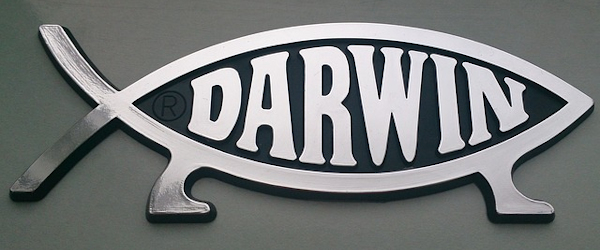
Darwin EvolutionIf you were to ask hardcore atheists like Christopher Hitchens or Richard Dawkins if they think there could be anything useful in religions, you would most likely get a firm “no” for an answer.

But perhaps, if we make it clear that the usefulness of religion we are seeking has nothing to do with dogmatic applicability, but rather with its successful model as an institution that attracts people with common interests, then we would probably have a different response.

So, what comes next once we have agreed God doesn’t exist and have become part of the fast growing number of atheists in the world?

In his book “Religion for Atheists,” Alain de Botton shares with us thought-provoking points of view regarding how a secular society could benefit from strategies used by religions.

I know in principle it may sound a bit conflicting for committed atheists to even consider adopting religious practices, but if we look at some of the real needs of community and the protection of secular ideas and values, it could be worth reviewing them.

Moreover, it is also important to notice that many of the religious practices and rituals were originally pagan, so atheists shouldn’t be too worried about adopting ideas that actually belong to the public domain.

Let’s begin with the concept of community, a major item of which there really isn’t a genuine socializing structure for the non-believers. In fact, many people today who do not believe in God continue going to religious temples simply to satisfy the need of belonging to a community.

Atheists haven’t figured out a place where solitary non-believers can gather to meet strangers and talk about general human concerns that don’t involve professional life.

Alain de Botton is accurate when describing how modern society access to community is one “centered around the worship of professional success.” I can tell you, from anecdotal experience, that oftentimes I get asked the question “what do you do?” when meeting people at a non-business event.

Let me be clear that I have no problem answering that, but I’d rather know the person better through a substantial conversation and develop a friendship first, rather than a business connection.

When people prefer to focus on other people’s business titles, rather than their personal value, we take away the potential of creating a community by segregating people based on professional success.

And this is one thing religions manage well. People that go to church listen to religious leaders talk about happiness, family, overcoming difficulties, and other topics that touch on human conditions and emotions, not issues related to business.

When it comes to formal education, there are contrasting differences in its approach between religions and secularism. The author points out how “secular education delivers information, while religious education delivers sermons.”

By doing this, a church is engaging more with its followers as its objective is to impact and influence their lives. Atheists, on the other hand, are missing an opportunity to provide non-believers with a similar guidance in educational settings.

Alain de Botton covers other important areas where secularism could take advantage of religious practices. But one that I have personally seen imperative for a while, comes when he shows a conclusive comparative between books vs institutions.

If there is one thing atheists do have plenty of access to is books. There are many exceptionally enriching secular books and best-selling authors that have influenced millions of people not only in their way of thinking, but also in giving them the courage to publicly come out as atheists without feeling guilty or ashamed about it.

But relying only on books is not enough if a secular society wants to achieve a wider impact. Local groups and meetups are good efforts, but nonetheless their influence is still minor in scale and lack the structure to encourage formal discipline.

The formation of well-organized supportive secular institutions is the answer to further protect and continuously promote the shared ideas and feelings expressed in those books.

But to form an institution, secular leaders must first acknowledge the needs atheists have of an established setting, where universal human concepts such as altruism, compassion, kindness, friendship, and gratitude, to name a few, can be examined regularly.

As the advancement of science continues spreading worldwide, and as more and more people leave their religions behind, the need for a secular institution will become even more crucial.


Filed Under: Atheism, Books, Libros, Philosophy, Religion Tagged With: "Religion for Atheists", Alain de Botton, Atheism, books, non-believers, philosophy, religion, Richard Dawkins, Secularism

  • « Previous Page
  • 1
  • 2
  • 3
  • 4
  • 5
  • 6
  • …
  • 10
  • Next Page »