Ricardo Villarreal

Think, Therefore Think Again

  • LinkedIn
  • Twitter
  • Vimeo
  • YouTube

  • Home
  • About Me
  • My Films
  • My Band
  • More
  • Contact

Misogyny Killed the Woman Star

October 10, 2016 by Ricardo Villarreal

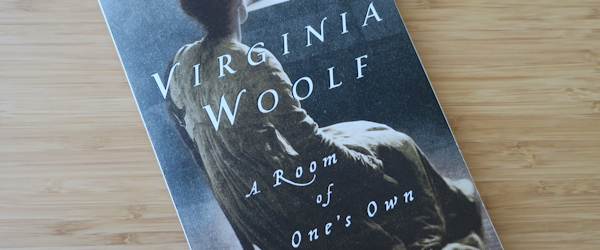
virginia-woolfe-a-room-of-ones-ownCan you imagine how different (and better) the world would be today had women always enjoyed the same opportunities as men to freely exercise their creative genius and influence humanity through their works of literature?

In her celebrated book “A Room of One’s Own” (1929), Virginia Woolf lectures us on the injustices women writers suffered before the nineteenth century when it came to creating and producing fiction.

It also protests against how women were portrayed as characters in fiction books written by men. Remember, books were mass media back then and the negative descriptions of women further influenced how they were treated.

Puzzling to Virginia Woolf is why women were completely absent when it comes to the creation of extraordinary literature during the times of Elizabeth I (1558-1603), considered to many the most splendid age in the history of English literature. A period which also witnessed the genius of William Shakespeare.

But during that time, the archaic mentality of men was such a deterrent that they deemed impossible for any women to have the genius of Shakespeare.

And so it is here where Virginia Woolf debates this argument by creating the imaginary figure of Judith Shakespeare to masterfully address this terrible injustice. The hypothetical scenario of what would have happened had Shakespeare had a wonderfully talented sister demonstrates a contrasting parallel among the two.

In those times, the Shakespeare brother William would have easily sought fortune in London and would have freely practiced his art surrounding himself with everybody in the industry. Access to the royal family would have also been attainable.

On the other hand, his extraordinarily gifted sister Judith would have unfairly remained at home. Despite her genius and her unusual creativity, she would have never been sent to school. A monumental loss for humanity.

Without a doubt, a plethora of extraordinary talented women existed then (as they have always had), and it would be delusional to think the contrary.

But men, in their opposition to women emancipation, created a hostile environment where they would have ridiculed, humiliated, and made life a living hell to any woman who dared become a writer.

I absolutely agree with Virginia Woolf when she says, “Genius needs freedom; it cannot flower if it is encumbered by fear, or rancor, or dependency, and without money, freedom is impossible.”

That is precisely what her title “A Room of One’s Own” refers to. Give women a room of her own and the financial comfort that removes all obstacles from expressing her art and speak her mind; allow her the concentration needed in order to achieve prodigious work; suppress the unhappiness suffered by inequality that interferes with her creation; and we’ll see geniuses.

“Literature is open to everybody and there is no lock you can set upon the freedom of a mind”, says Virginia Woolf. And there should be no locks preventing the advancement of women.

Reading this book as a man made me think of the great damage we men have done in limiting women’s full potential, of all the wonderful genius creations by women that never flourished because of us men.

A lot has improved from the time Virginia Woolf published “A Room of One’s Own”, but us men today need to do more to make up for this tragedy and support feminism. There is no excuse.

Yes, this book was written almost 90 years ago! But its powerful message still echoes today as an inspiring instrument of the feminist movement, and it will continue to remain relevant at least until we reach full gender equality.
 

Filed Under: Arts & Culture, Books, Libros Tagged With: #DayoftheGirl, A Room of One's Own, Day of the Girl, equality, feminism, feminist, gender equality, gender rights, Judith Shakespeare, literature, protest, Virginia Woolfe, women's rights

Carta de un Hombre Enamorado

August 30, 2016 by Ricardo Villarreal

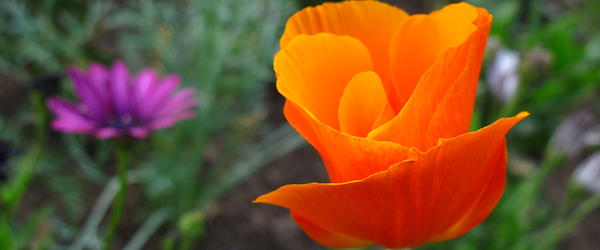
Flores Carta EnamoradoRecién llego a mi habitación y ya te extraño. Envuelto en el silencio de la noche y aun sintiendo la emoción de haber compartido contigo este gran día, te escribo estas palabras.

Gracias por darme la oportunidad de salir nuevamente conmigo y de hacerme ver al mundo extraordinariamente mágico y hermoso cuando estoy contigo. La pasé de maravilla hoy.

Llevaba días esperando ansiosamente el momento de nuestro reencuentro. Debo confesar que estuve un poco nervioso esta mañana mientras me dirigía al parque donde me citaste.

Al llegar, no me tomó mucho tiempo en darme cuenta que estabas allí escondida detrás de aquel viejo árbol, jugueteando con las ramas y haciendo caer las hojas que giraban lentamente con el bailar del viento. Corrí detrás de ti casi hasta sudar y te alcancé. Caímos sobre el pasto y reímos mirando al cielo.

Luego caminamos en silencio hacia el café, sintiendo esa unión que tanto me conforta. Mientras pedía un cappuccino colocaste las flores que te traje sobre la mesa para admiración de los demás. Y de nueva cuenta, como la última vez, no quisiste tomar nada. Un día tendrás que probar el café de este lugar, es delicioso.

Después de ahí salimos a recorrer más la ciudad, disfrutando cada minuto de nuestro andar. Nos tocó ver tantas parejas abrazadas, tan sonrientes y enamoradas, hechizadas bajo el cálido manto de su amor. Qué hermosa es la vida, ¿no crees?

Y como siempre, qué rápido se pasa el tiempo cuando estoy contigo. De pronto ya estábamos en la estación de tren muy cerca de la hora de tu partida.

Al despedirme de ti, debo confesar que me dio un poco de pena cuando rechazaste mis labios antes de subir a tu vagón. Pero lo entiendo, llevamos poco saliendo y todo debe ser a su tiempo. Me quedé en el andén hasta que vi tu tren alejarse y desaparecer.

No pude esconder mi alegría a mi regreso, y caminando por las calles de la ciudad me sentí afortunado. Al pasar por los ventanales de las tiendas pude observar en el reflejo de mi rostro una enorme sonrisa. ¡Qué feliz me haces!

Caray, cómo me gustaría que existieras.


Filed Under: Arts & Culture, Cuento Corto, Literatura Tagged With: amor, Carta, cuento, Cuento Corto, enamorado, lectura, literatura

Is Success an Enemy to Your Happiness?

August 25, 2016 by Ricardo Villarreal

Success and Happiness CloudsIn most work environments success is defined in several ways, including the accomplishment of business goals, working for a big name organization, amassing substantial wealth, obtaining job promotions, receiving honors, enjoying material luxuries, and so on.

Most of these triumphs, in the modern global society we live in, are individual in nature and often consummated in a stressful scenario of competition.

To be clear, competitive success can be good when it genuinely challenges us to be better persons improving our professional growth, but not when it becomes a self-inflicted pressure with the whole purpose of outshining our neighbors and colleagues.

Just as success can be a part (I repeat, just a part) of our happiness, it can also contribute to our unhappiness if we don’t understand what to make of it.

Putting too much emphasis upon competitive success can be detrimental and can leave us emotionally empty if we cannot find what value it gives to our lives.

Work that is poisoned by a false sense of competition can lead to envy, where instead of deriving pleasure from what you have, it derives pain from what others have. Don’t fall into this trap; avoid such superficial comparisons that can blind you to see how truly fortunate you are in life.

But, what is success really? The meaning of success for me could be completely different than yours. And that is perfectly fine.

When you widen your mind and your interests, when you listen to your heart and your true self, and when you put the things you care about and the people that truly matter to you in the right place in your life, you will be closer to defining your success. It doesn’t have to be something complex.

In fact, success for me is as simple as achieving life balance, where all the key ingredients of life contributing to our happiness receive equal importance in their own time.

When it comes to professional life, the quality of the work I do and the positive impact it has in contributing to the betterment of society are very important to me in measuring success. I have never been attracted to a good paying job whose responsibilities are essentially trivial for humanity.

No matter what profession you may have, you can find a way for it to be successfully rewarding while achieving excellence and meaning. And with it, happiness.


Filed Under: Leadership, Philosophy Tagged With: Business, happiness, happy life, life balance, life goals, meaning, mindfulness, success

Meaningful Life

August 12, 2016 by Ricardo Villarreal

Kalaloch Banner“He who has a Why to live for can bear almost any How.” – Friedrich Nietzsche
Many times I reflect on life and the things I have accomplished, the people I have influenced, the Love I have shared. I often ask myself, has my presence in this world been more favorable to it than if I were absent?

In other words, am I living a meaningful life? Finding meaning in our lives changes the whole game, fine-tunes our perspective, and improves our appreciation of life. Plus, it is also a key factor in achieving happiness.

I have been reflecting on this subject after reading “Man’s Search for Meaning” by Viktor Frankl (by the way, I would have chosen a gender-neutral title). He released his book in 1959 and it was strongly influenced by the years he spent imprisoned at four different concentration camps during World War II. The lessons in it remain very valuable today.

The most important point is that we can all find meaning in our lives regardless of the circumstances we face. External factors may take away all your possessions, but you are never truly left without anything as long as you can exercise your freedom to decide how you will respond to such conditions. Material things can always be restored.

Viktor Frankl’s book is in a way about survival, but survival as a result of the attitude we have towards life. From his experiences at the camp he realized that we do have a choice of action; that any prisoner, even in the worst conditions, can decide what shall become of him.

And that’s the great power we have! We must learn to make our lives meaningful constantly.

So what can we do to focus and find meaning? Viktor Frankl shares three different ways we can discover the meaning in life:

The first has to do with finding meaning in the work we do and in any endeavor we participate that goes beyond benefiting ourselves. How our actions add value in others is a palpable way to feel accomplished.

Secondly, we can also find meaning by experiencing beauty and by experiencing and sharing love. There is beauty in nature expressed in many ways. But also in art, in music, in poetry, in paintings… And then there is Love.

In searching for meaning, Love is the most essential part, the strongest force, the ultimate and the highest goal to which human beings can aspire.

Only Love can make us fully aware of the essential traits and potentialities of the person we Love, and vice versa. With Love we can enable those potentialities to become real and make our lives more meaningful.

The third has to do with the attitude we take when dealing with unavoidable suffering. If we cannot amend a situation (like an incurable disease) we can change how we choose to react and find meaning in this suffering.

Our past experiences also play a role in giving our lives meaning. Whether we have experienced pleasure or pain, we can learn from those experiences to improve our paths going forward.

No power on earth can take away our experiences and all we have done, and especially those moments that were blissful and full of joy: the witnessing of the miracle of life through the birth of your child, the first sight of a new exotic destination, the vivid memory of a magical kiss.

Our time alive in this world is very short, but our existence is in no way meaningless. There are many ways to transcend and reasons to be grateful, to feel alive, to do good, to Love, to help make the world a better place, to find meaning.

As Viktor Frankl cautions, “many people have enough to live by but nothing to live for; they have the means but no meaning.”

We are never too late in our search for meaning. We have the freedom to change and improve our attitude towards life at any instant.

Frankl also reminds us, “we are capable of changing the world for the better if possible, and of changing ourselves for the better if necessary.”

We have the power to decide what we want our existence to be and the meaning we want to give our lives. It’s 100% up to us.


Filed Under: Books Tagged With: books, finding meaning, Inspirational, love, Meaningful life, motivation, philosophy, positive, psychology, survival, Viktor Frankl

Amor e Identidad

July 5, 2016 by Ricardo Villarreal

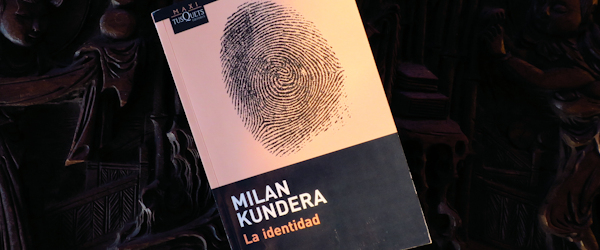
La Identidad Milan Kundera¿Puede un beso ser tan mágico que te enamora completamente, que altera tu identidad y marca tu vida para siempre? Ese acto que comienza con el roce de los labios y que antecede a un apasionado desborde de emociones que van más allá de un impulso sensual, un consentimiento mutuo en donde dos personas sellan su disposición de amor.

La Identidad de Milan Kundera es una novela de amor llena de reflexiones filosóficas y elementos humanos que nos invita a explorar nuestra propia identidad a través de la historia de dos enamorados, Chantal y Jean-Marc.

Nuestros protagonistas se aman tanto que llegan a caer en conflictos complejos de identidad, en donde los sentimientos se vuelven opuestos, y cuyas personalidades por momentos se aclaran y en otros se difuminan en una indistinguible frontera entre la realidad y la fantasía.

Muy pronto en la historia, la mirada florece como el principal elemento de unión y discordia entre los personajes.

Una mirada puede unirnos tanto sin tocarnos como nos une un beso sin mirarnos. Los ojos fijos en una mirada de amor hipnotizante pueden detonar una comunicación que jamás podrán dar las palabras y despertar más sentimientos que una caricia.

Pero Chantal tiene una frustración que le revela a Jean-Marc, “los hombres ya no se vuelven para mirarme.”

Y no es que Chantal quiera dejarse seducir por otros hombres, sino que las miradas para ella son un refugio; las miradas la mantienen de cierta manera en sociedad con los humanos.

Aunque la mirada que más aprecia es la de Jean-Marc, ante su conflicto no se percata de ella, y sabe que la mirada del amor le provoca un aislamiento con el mundo.

Para Jean-Marc, mirar a Chantal es un placer total; ella es para él su único vínculo sentimental con el mundo y su antídoto ante la indiferencia.

Ante la universalidad poética del amor, los ojos son siempre protagonistas. Para Milan Kundera los ojos son “las ventanas del alma; el centro de la belleza de un rostro; el punto en el que se concentra la identidad de un individuo.”

Pero una mirada nunca es permanente ni puede ser constante ante la existencia de los párpados. Esas cortinas que humedecen los faroles de la vista y que al mismo tiempo se vuelven antagonistas al convertirse en amenazantes interruptores de una mirada cautivante.

De repente, Chantal comienza a recibir cartas anónimas que le dan vida y un cierto misterio seductor. ¿Quién será su admirador secreto? ¿Qué motivo tendrán esas cartas?

¿Se tratarán quizás de una fantasía anhelada a punto de convertirse en realidad? ¿O le servirán esas cartas para darse cuenta de que su amor real es superior a cualquier fantasía?

Chantal reflexiona sobre las cartas: “Si un hombre escribe cartas a una mujer, lo hace para preparar el terreno en el que, más adelante, la abordará para seducirla. Y, si la mujer guarda en secreto esas cartas, lo hace para que su discreción de hoy proteja la aventura de mañana. Y, si además las conserva, lo hace porque está dispuesta a entender esa futura aventura como una relación de amor.”

El amor quizás le esté poniendo una prueba más a Chantal. Si bien siente una gran felicidad con el amor que comparte con Jean-Marc, a veces siente nostalgia por él. Una añoranza que en instantes no le permite vislumbrar un porvenir con él.

Pero en otros momentos, su desmesurado amor por Jean-Marc lo es absolutamente todo, que logra orillarla fuertemente hacia un mundo de fantasía.

A través de la historia, Kundera arroja a los personajes ante diferentes situaciones que los hace cuestionar y descubrir su identidad. Y es con la misma habilidad que el autor inevitablemente nos invita a reflexionar sobre nuestra propia realidad, nuestra satisfacción emocional y nuestra existencia.

Ninguno de nosotros eligió haber nacido en este planeta en el tiempo y espacio que ocupamos, y sea nuestra existencia una suerte o una desgracia, la mejor manera de pasar la vida es dejarse llevar en ella apreciando enteramente el instante presente.

Pero, ¿puede el amor ser tan descomunal que no alcanzamos a distinguir la realidad? ¿En dónde se encuentra la frontera entre lo real y la imaginación? El autor deja estas preguntas abiertas extendiéndonos la oportunidad de olvidarlo todo y pensar en la vida.

Si ante la inmensidad del universo nuestra insignificancia es nuestro destino, no hay tiempo que perder y amémonos, disfrutemos de la vida, cobijémonos bajo el techo del amor. Y disfrutemos la vida con la libertad que tenemos de fundir nuestra individualidad con euforia y de elegir siempre el placer.


Filed Under: Arts & Culture, Libros Tagged With: amor, fantasía, filosofía, La Identidad, libros, literatura, Milan Kundera, novela, realidad

  • « Previous Page
  • 1
  • …
  • 5
  • 6
  • 7
  • 8
  • 9
  • 10
  • Next Page »